Athlete Nutrition: What We Can Learn from Cruz Davis
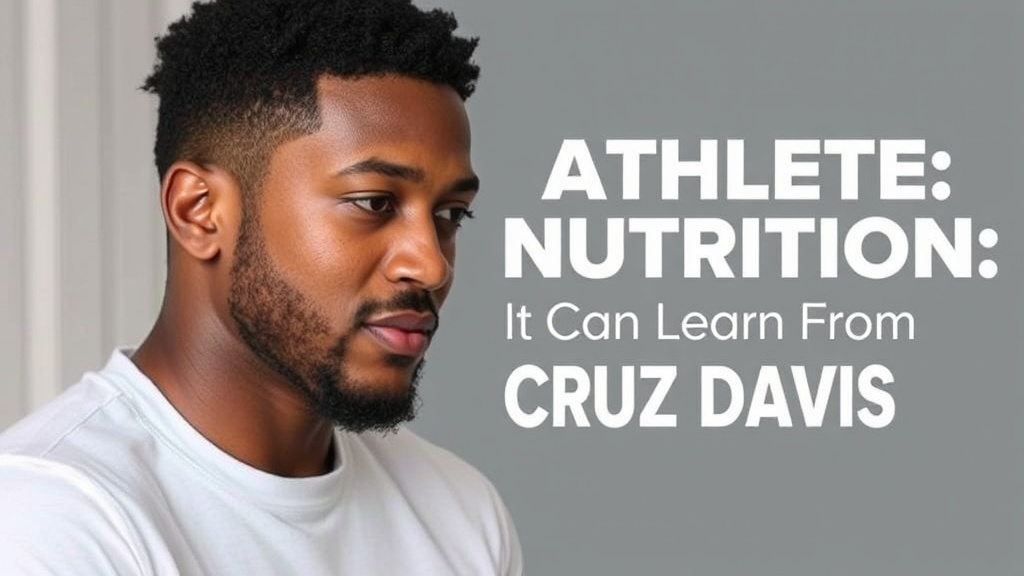
Athlete Nutrition: What We Can Learn from Cruz Davis
The journey of Cruz Davis, a rising star in the world of athletics, offers profound insights into the intersection of nutrition and performance. At just 24, Davis has not only excelled on the track but also become a vocal advocate for the importance of tailored nutrition in sports. His story is a reminder that what athletes put into their bodies can be just as pivotal as the hours spent training.
Understanding Cruz Davis's Nutritional Philosophy
Cruz Davis attributes much of his success to a balanced and personalized nutrition plan. He emphasizes the need for athletes to move beyond generic diets. Instead, he advocates for a **tailored approach** based on individual needs, goals, and even genetic factors. During a recent interview, he shared that he follows a diet consisting of **60% carbohydrates, 25% proteins, and 15% fats**, a breakdown that aligns with high-intensity training demands.
- Carbohydrates: For Cruz, carbs are crucial. They provide the necessary fuel for high-intensity workouts and recovery.
- Proteins: Essential for muscle repair and growth, he ensures he consumes lean protein sources.
- Fats: Healthy fats support overall health, aiding in hormone regulation and energy storage.
The Role of Meal Timing in Performance
Davis highlights that meal timing significantly impacts athletic performance. Instead of sticking to traditional meal patterns, he focuses on eating strategically around training sessions. He typically consumes a carbohydrate-rich snack about 30 minutes before workouts and follows up with a protein-packed meal within an hour post-exercise. This pattern not only enhances energy levels but also accelerates recovery.
A study published in the Journal of Sports Sciences found that athletes who consumed protein shortly after training experienced superior muscle recovery compared to those who delayed their intake. Davis embodies this principle, ensuring he is always prepared with nutrient-dense snacks and meals during competitions and training sessions.
Hydration: The Often Overlooked Element
It's easy to overlook hydration in discussions about nutrition, but Cruz Davis takes it seriously. He drinks **at least 3 liters of water daily**, adjusting based on weather conditions and training intensity. He also incorporates electrolyte-rich drinks during long training sessions to prevent dehydration and maintain optimal performance.
According to the National Athletic Trainers’ Association, dehydration can lead to a **20% decrease in performance**. Davis's commitment to staying hydrated reflects an understanding of the delicate balance between hydration and athletic output. He has been known to carry a hydration pack during intense practices, a habit that sets an example for younger athletes.
Whole Foods vs. Supplements: A Personal Choice
Davis's approach to supplements is pragmatic. He believes that while they can be beneficial, whole foods should always come first. He consumes a variety of fruits, vegetables, and whole grains to meet his nutritional needs. His daily diet includes foods like:
- Quinoa: A complete protein source packed with amino acids.
- Leafy greens: Essential for vitamins and minerals.
- Berries: High in antioxidants, aiding in recovery and reducing inflammation.
When he does use supplements, it’s with a specific purpose. Davis takes a high-quality protein powder after workouts and a multivitamin to fill any nutritional gaps. This balanced approach ensures he maximizes his performance without over-relying on artificial sources.
Mindful Eating: Beyond Nutrition
Nutrition isn’t just about what athletes ingest; it’s also about how they engage with food. Cruz Davis practices **mindful eating**, a concept gaining traction among athletes. He encourages focusing on the eating experience — savoring flavors, paying attention to hunger cues, and avoiding distractions during meals. This practice has helped him develop a healthier relationship with food, reducing instances of binge eating or unhealthy choices after training.
Research from the American Journal of Clinical Nutrition indicates that mindful eating can lead to better dietary choices and improved physical well-being. By internalizing this philosophy, athletes can create sustainable eating habits rather than resorting to short-lived diets.
Key Takeaways for Athletes and Enthusiasts
Cruz Davis's nutritional journey underscores several essential lessons for athletes and fitness enthusiasts alike. Here are some practical takeaways:
- Individualize Your Nutrition: One size does not fit all. Tailor your diet to meet your specific training needs and personal goals.
- Prioritize Meal Timing: Pay attention to when you eat. Fuel before and after workouts to enhance performance and recovery.
- Stay Hydrated: Make hydration a non-negotiable part of your routine. Track your intake and adjust as needed.
- Choose Whole Foods: Prioritize a diet rich in whole foods, using supplements strategically rather than as a crutch.
- Practice Mindful Eating: Cultivate a healthy relationship with food by being present during meals and listening to your body.
By integrating these principles into daily routines, athletes can elevate their performance and foster lasting health. Cruz Davis's journey serves as a reminder that successful nutrition goes hand in hand with hard work and dedication. Every bite counts.


Comments
Post a Comment