Kathy Hochul: New York's Health Advocate in a Challenging Era
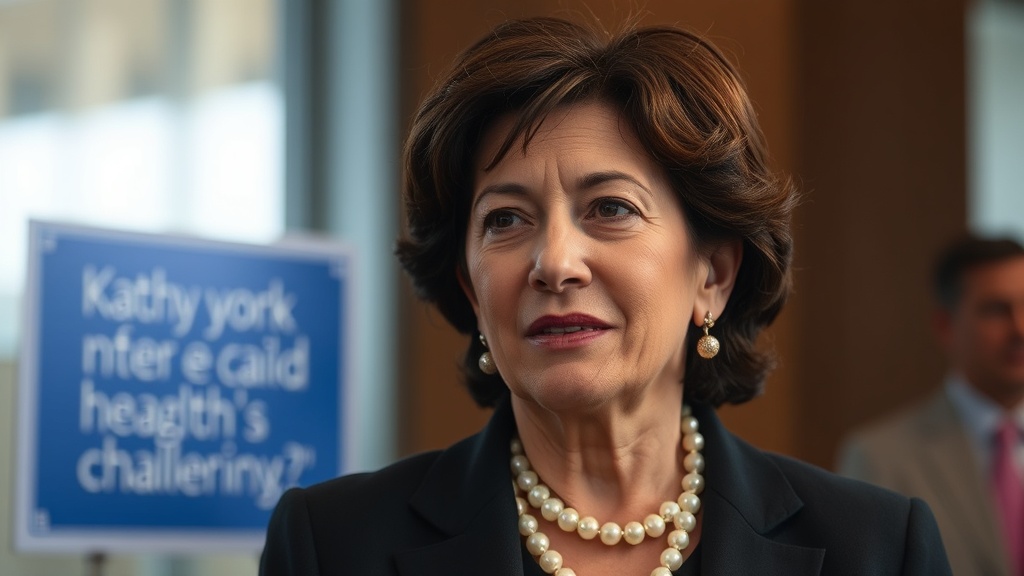
Kathy Hochul: New York's Health Advocate in a Challenging Era
As the first female governor of New York, Kathy Hochul has taken on the weighty responsibility of navigating a state still reeling from the effects of the COVID-19 pandemic. Her health policies and decisions have significant implications not only for New Yorkers but also for how other states view and implement health initiatives. Hochul's tenure thus far exhibits her commitment to public health, and it's essential to evaluate her strategies and their impact.
Health Care Access and Affordability
Hochul's administration has consistently emphasized the need for affordable health care. In her first budget proposal as governor in 2022, she allocated $1.4 billion to expand health care access, particularly for vulnerable populations. This funding aims to reduce the uninsured rate, which, as of 2021, stood at around 5.4% in New York, according to the Kaiser Family Foundation.
- Increased funding for community health clinics.
- Expansion of telehealth services, which surged during the pandemic.
- Efforts to streamline Medicaid enrollment processes.
With these initiatives, Hochul aims to not only provide better access but also improve the overall quality of care. The focus on community health clinics is particularly crucial, as these centers serve as the frontline for many underserved populations.
Addressing Mental Health Needs
The pandemic has amplified the mental health crisis across the nation, and New York is no exception. Hochul has made mental health a priority, allocating $215 million in her 2023 budget to enhance mental health services. This includes funding for mobile crisis teams and supportive housing for individuals with mental health disorders.
- Mobile crisis teams provide immediate support to those in need.
- Supportive housing helps stabilize individuals, offering them a pathway to recovery.
- Increased funding for school-based mental health services to cater to youth needs.
By addressing mental health proactively, Hochul is not merely reacting to crises but also trying to build resilience within communities. This approach resonates with the recent report from the National Alliance on Mental Illness (NAMI), which highlighted that 1 in 5 adults experience mental illness each year.
Public Health Initiatives
Hochul's administration has also focused on several public health initiatives, particularly in combating health disparities exacerbated by the pandemic. In 2021, she launched the New York State Health Equity Assessment, aiming to address racial and ethnic disparities in health outcomes. This initiative seeks data-driven solutions to ensure equitable access to health resources.
Some focal points of this initiative include:
- Reducing maternal mortality rates, which are disproportionately high among Black women.
- Addressing chronic diseases prevalent in marginalized communities.
- Promoting vaccine equity to ensure all communities are protected against infectious diseases.
By focusing on health equity, Hochul aims to create a more inclusive health care system that serves every New Yorker, regardless of their background.
Challenging the Opioid Crisis
The opioid epidemic continues to plague New York, with over 5,000 overdose deaths reported in 2021 alone. Hochul has recognized the urgency of this crisis, implementing comprehensive strategies to tackle addiction. Her administration has increased funding for treatment programs and expanded access to naloxone, a lifesaving drug that reverses opioid overdoses.
Key components of her strategy include:
- Creating new treatment facilities in high-need areas.
- Launching awareness campaigns to destigmatize addiction and promote recovery.
- Enhancing training for first responders on overdose response.
Hochul's commitment to addressing the opioid crisis is evident in her administration's focus on a holistic approach. By combining treatment access with community support and public education, she is working to mitigate the effects of this epidemic on families and communities.
Future Health Challenges and Opportunities
While Hochul has made significant strides in health policy, challenges remain. The ongoing fallout from the pandemic, emerging health threats, and the need for sustainable funding will test her leadership. Yet her proactive measures suggest a readiness to confront these issues head-on.
In addition to immediate health concerns, Hochul's administration must also consider long-term public health strategies. As climate change increasingly affects health outcomes, integrating environmental health into her policy framework could prove essential. The World Health Organization has highlighted that health systems must adapt to climate-related risks, and New York should be no exception.
Practical Takeaway
Kathy Hochul’s leadership in public health serves as a reminder of the importance of proactive governance. As she navigates the complexities of health care access, mental health, and the opioid crisis, her administration illustrates that effective health policy is rooted in inclusivity and responsiveness. For those interested in advocating for health initiatives in their communities, following Hochul’s efforts can provide valuable insights into successful strategies for engagement and policy development. Engaging with local health organizations and supporting health equity initiatives can also amplify community voices and needs.


Comments
Post a Comment