The Healing Power of Music: Lessons from Hans Zimmer
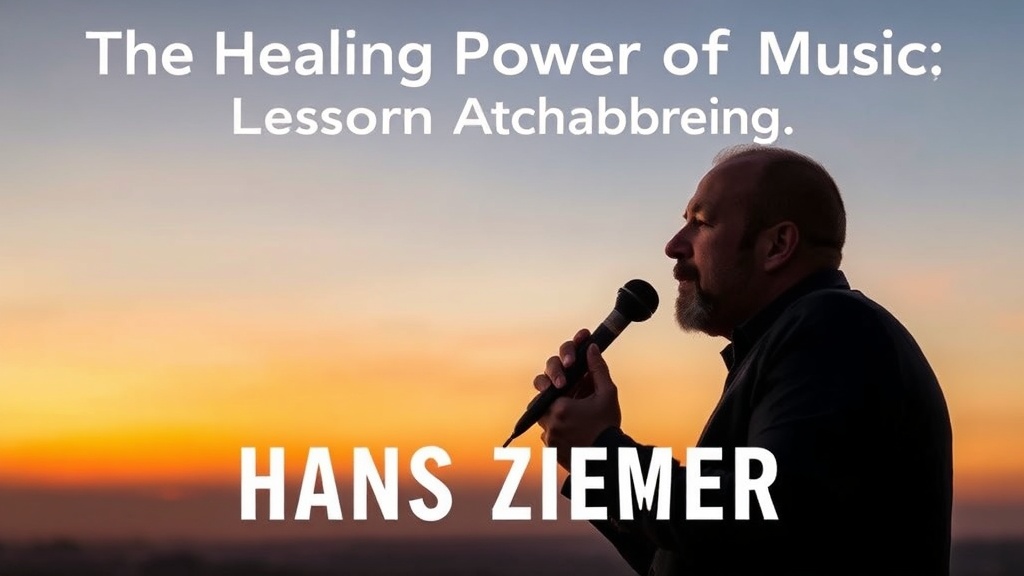
The Healing Power of Music: Lessons from Hans Zimmer
Music can reach places in the heart and mind that words often fail to touch. Few understand this profound truth better than film composer Hans Zimmer. His soundtracks have not only captivated audiences but have also offered solace and healing to those navigating life's challenges. From the soaring melodies of "The Lion King" to the haunting scores of "Dunkirk," Zimmer’s music has an uncanny ability to evoke deep emotional responses. What can we learn from his approach to music and its healing potential?
The Emotional Resonance of Music
Music is a universal language that transcends borders, cultures, and even personal struggles. Zimmer's compositions often blend orchestral elements with electronic sounds, creating a rich tapestry of auditory experiences. According to a study published in Psychological Science, music can stimulate the brain's reward system, releasing dopamine, the "feel-good" neurotransmitter. This is why many people turn to music as a form of therapy. Zimmer's score for "Inception" demonstrates this beautifully, as the layers of sound draw listeners into a world where emotions can be explored and understood.
Creating a Safe Space Through Sound
Zimmer's music often creates a safe emotional space for listeners, allowing them to confront feelings they might otherwise avoid. The track "Time" from "Inception" is a perfect example; its gradual build-up mirrors the internal journey many experience during times of reflection or healing. The score encourages listeners to embrace their vulnerabilities. Research indicates that engaging with music can lower levels of cortisol, the stress hormone, fostering a sense of calm and safety. This aspect of Zimmer’s work shows how music can provide not just an escape, but a crucial emotional sanctuary.
Music as a Tool for Mindfulness
Mindfulness—being present in the moment—has been shown to improve mental health. Zimmer's compositions often encourage a state of mindfulness. The gentle yet profound melodies can guide listeners to a place of tranquility. For example, "Interstellar" features an ethereal quality that has drawn praise for its ability to transport listeners beyond the stresses of daily life. In one study, individuals who engaged in music listening reported heightened levels of focus and a more profound sense of inner peace, reinforcing the benefits of mindful practices. By using music as a tool for mindfulness, we can cultivate a greater sense of well-being.
The Connection Between Music and Memory
Hans Zimmer's music often invokes a powerful sense of nostalgia, effectively tapping into memories that shape our identity. Research from the Journal of Neuroscience suggests that music can enhance memory recall, which is particularly beneficial for those dealing with trauma or loss. Zimmer's score for "The Dark Knight" not only resonates with fans of the superhero genre but also evokes memories of personal struggles and triumphs. Each time the score plays, it serves as a reminder that healing is a journey often accompanied by the soundtrack of our lives.
Music Therapy: A Growing Field
The healing power of music has gained traction in therapeutic settings. Music therapy, as endorsed by the American Music Therapy Association, is being used to treat various conditions, including anxiety, depression, and PTSD. Hans Zimmer's work exemplifies how music can serve as a bridge for emotional expression and communication. His collaborations with various artists and integration of diverse musical elements can inspire therapists to create tailored soundscapes for their clients.
- Connection: Music helps establish connections between individuals and their emotions.
- Expression: It provides a means for expressing feelings that may be difficult to articulate.
- Relaxation: Calming music can reduce anxiety and promote relaxation.
Practical Takeaways: How to Harness the Healing Power of Music
Incorporating music into your daily life can significantly enhance your emotional well-being. Here are some practical ways to utilize music as a healing tool:
- Create a Healing Playlist: Curate songs that resonate with you, focusing on those that evoke positive emotions or memories.
- Practice Mindfulness with Music: Set aside time to listen actively to music, allowing yourself to fully immerse in the experience.
- Engage in Music Therapy: Consider seeking a certified music therapist to explore tailored techniques that can help with specific challenges.
Hans Zimmer’s musical journey shows us that sound is not just a form of entertainment; it possesses the profound ability to heal. By embracing music in our lives, we tap into an endless resource for emotional exploration and recovery. Whether it’s crafting your playlist or seeking professional guidance, the healing power of music is within reach for anyone willing to listen.


Comments
Post a Comment