The Impact of Nutrition on Athletic Performance: Lessons from Cruz Davis
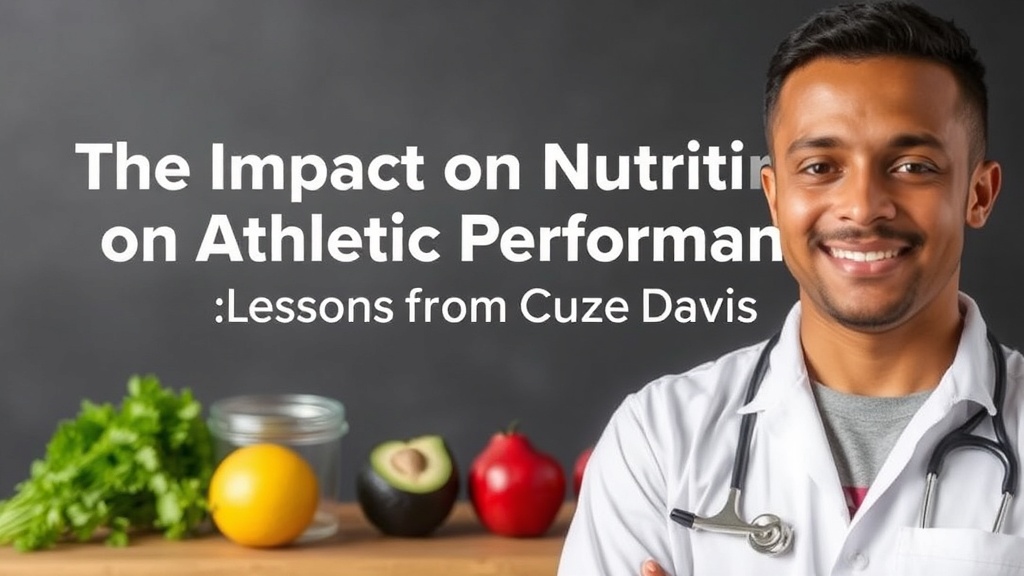
The Impact of Nutrition on Athletic Performance: Lessons from Cruz Davis
In the world of athletics, performance on the field or court is often attributed to rigorous training regimes, mental fortitude, and innate talent. However, one critical component that is frequently overshadowed by these factors is nutrition. The role of diet and nutrient intake is paramount for athletes seeking to optimize their performance. In this post, we’ll explore key lessons from the nutritional journey of Cruz Davis, a rising star in the world of competitive sports, and understand how proper nutrition can impact athletic performance.
Understanding Nutrition's Role in Athletic Performance
Nutrition serves as the foundation upon which athletic performance is built. Energy levels, muscle recovery, endurance, and overall health are all significantly influenced by what athletes put into their bodies. Here are a few key aspects of nutrition that can dramatically impact performance:
- Energy Levels: Carbohydrates are the body’s primary source of energy. Insufficient carbohydrate intake can lead to fatigue, negatively affecting training and performance.
- Muscle Recovery: Protein plays a critical role in muscle repair and growth. Athletes need adequate protein to recover from the strains of intense training sessions.
- Hydration: Water is crucial for maintaining hydration levels. Dehydration can severely impair performance, leading to decreased strength and endurance.
- Micronutrients: Vitamins and minerals support various bodily functions, including immune health and energy production. A deficiency in these nutrients can lead to decreased performance.
The Cruz Davis Experience
Cruz Davis, a budding athlete with an impressive track record, understands that optimizing nutrition is as important as honing his physical skills. Here are some pivotal lessons from his approach to nutrition:
1. Personalized Nutrition Plans
Cruz’s journey began with the realization that a one-size-fits-all diet does not apply to athletes. With the guidance of a sports nutritionist, he developed a customized meal plan tailored to his specific energy needs, goals, and food preferences. This personalized approach allowed Cruz to:
- Optimize his energy intake based on training intensity.
- Incorporate foods that support his specific performance goals.
- Avoid common dietary pitfalls that could hinder his progress.
2. Fueling Before and After Workouts
One of the critical lessons Cruz learned was the importance of pre-workout and post-workout nutrition. Here’s how he adapted his regimen:
- Pre-Workout: Cruz opts for a meal rich in carbohydrates and moderate in protein about 2-3 hours before training. This helps to maximize glycogen stores and sustain energy levels throughout his workouts.
- Post-Workout: After training, Cruz focuses on replenishing his energy reserves with a combination of protein and carbohydrates. This aids recovery and muscle repair, setting him up for success in subsequent training sessions.
3. The Hydration Equation
Dehydration can be detrimental to an athlete's performance, and Cruz took hydration seriously. He learned to:
- Monitor his fluid intake throughout the day, not just during training sessions.
- Use electrolyte-rich beverages during intense workouts to replace lost minerals.
- Aim for a balanced approach, drinking consistently rather than waiting until he feels thirsty.
4. Micronutrients Matter
Cruz also discovered that while macronutrients (carbs, proteins, and fats) are essential, micronutrients like vitamins and minerals cannot be overlooked. He focused on:
- Incorporating a rainbow of fruits and vegetables to ensure a diverse nutrient intake.
- Including whole grains, nuts, and seeds to boost his vitamin and mineral levels.
- Considering supplements when dietary restrictions made it challenging to meet nutrient recommendations.
The Impact on Performance
The results of Cruz Davis's nutrition-focused approach have been profound. Not only has he experienced improved performance metrics, but he has also noticed significant changes in his recovery times and overall health. Here are some of the specific benefits Cruz has enjoyed:
- Increased Endurance: With adequate fueling, Cruz found he could train longer and harder without experiencing the dreaded fatigue that once held him back.
- Optimal Recovery: A focus on post-workout nutrition allowed Cruz to bounce back faster from intense sessions, enabling him to train more frequently.
- Enhanced Mental Clarity: Proper nutrition has encouraged sharper focus and better decision-making during competitions, an often-overlooked aspect of athletic performance.
Conclusion
Nutrition is not just about eating; it is a science that significantly impacts athletic performance and overall health. The lessons learned from Cruz Davis's journey demonstrate that personalized nutrition plans, hydration strategies, and a focus on micronutrients can lead to measurable improvements in performance.
For aspiring athletes and seasoned professionals alike, it’s clear that by prioritizing nutrition, one can unlock their full potential on the field or court. If you are looking to enhance your athletic performance, consider seeking advice from a qualified sports nutritionist to develop a plan tailored just for you.
For more insights into athletic nutrition and wellness, be sure to check out our health and fitness blog.


Comments
Post a Comment